
Many people experiencing burnout describe feeling like they are “not themselves anymore”. Things that once felt manageable can start to feel overwhelming. Motivation decreases, patience becomes harder to access, and even simple tasks can require significant effort.
Burnout is increasingly recognised as a significant challenge affecting people across many professions, life stages, and personal circumstances. It can influence how we work, care for others, connect in relationships, and experience everyday life.
Understanding burnout is an important first step towards recognising what is happening and making changes that support recovery.
Burnout rarely happens overnight. It often builds quietly — through months or years of carrying too much, pushing through, and telling yourself you’ll slow down when things settle.
What is burnout?
Burnout is commonly understood as a state of physical, emotional, and mental exhaustion that develops in response to prolonged exposure to stress and demands without adequate recovery. Research highlights that burnout involves a complex interaction between ongoing demands, available resources, and the individual’s ability to recover over time (1).
The World Health Organization (WHO) defines burnout as a result of chronic workplace stress that has not been successfully managed and recognises it as an occupational phenomenon rather than a medical diagnosis (2).
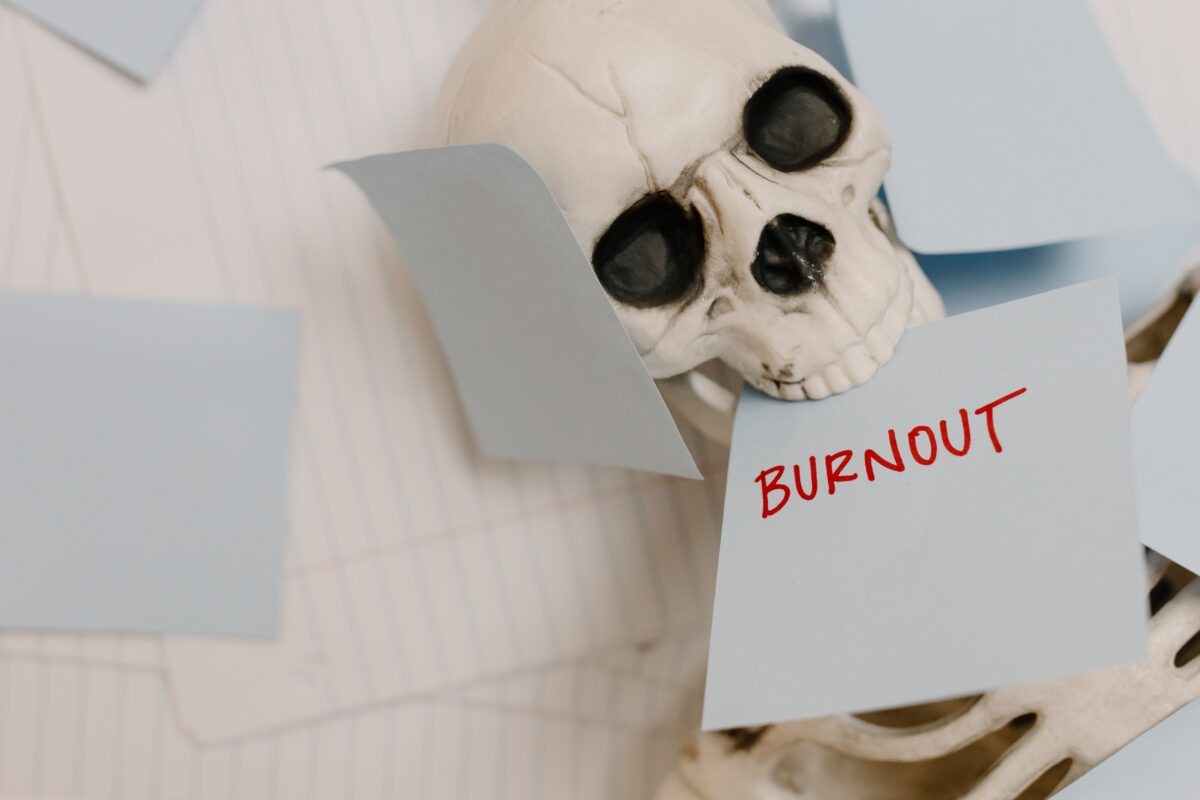
While burnout is often associated with the workplace, its effects can extend beyond work and influence a person’s emotional wellbeing, relationships, physical health, and overall quality of life. Many people experience burnout while managing ongoing demands across different areas of life — including caring responsibilities, parenting, study, health challenges, relationship difficulties, major life transitions, or the emotional load of consistently supporting others (1).
Burnout can leave people feeling disconnected from themselves and the things that usually bring meaning and enjoyment.
It is not simply feeling tired after a busy period, but is generally associated with prolonged stress exposure combined with insufficient recovery, where the demands placed on a person begin to outweigh their available resources (1).
Research identifies three key dimensions of burnout (1):
- Emotional and physical exhaustion
- Feeling disconnected or withdrawn.
- Feeling less capable or effective
Burnout can affect confidence, concentration, motivation, and a person’s sense of effectiveness. People may feel they are no longer performing at the level they expect from themselves, despite continuing to put in significant effort (1).
Importantly, burnout is not a reflection of personal weakness or a lack of resilience. Research suggests burnout is influenced by the interaction between individuals and their environments, including workload, control, support, fairness, values, and recognition (1).

Why does burnout happen?
Burnout is sometimes discussed as though it is an individual problem — something caused by not coping well enough or needing to become more resilient.
However, research indicates that burnout is often connected to the relationship between the demands placed on a person and the resources available to support them (1).
Factors associated with increased burnout risk include:
- Excessive workload or ongoing demands
- Limited control over circumstances
- Lack of support
- Unclear expectations
- Conflict between personal values and responsibilities
- Insufficient opportunities for recovery
- Ongoing emotional demands (1).
The demands contributing to burnout are not always obvious. Sometimes burnout does not result from one major event, but from the accumulation of many smaller pressures over time.
Many people experiencing burnout are deeply committed, responsible, and caring individuals.
Emotional signs
- Feeling overwhelmed or “on edge”
- Becoming more irritable, frustrated, or withdrawn
- Losing enjoyment in things you usually value
- Feeling emotionally drained or numb
- Feeling disconnected from self
- Feeling overwhelm at small challenges
Physical signs
- Ongoing fatigue, even after rest
- Sleep difficulties, including trouble falling or staying asleep
- Frequent headaches or muscle tension
- Feeling physically run down or becoming unwell more often
- Digestive discomfort or changes in appetite
- Difficulty concentrating or feeling mentally “foggy”
Behavioural signs
- Avoiding tasks because everything feels overwhelming
- Difficulty switching off mentally
- Feeling like you are working harder but achieving less
- Withdrawing from relationships or activities
- Relying on coping strategies that do not restore you
- Less patience or reacting more strongly to minor frustrations
Small steps to begin to recover
Recovery from burnout usually does not come from simply adding more strategies to an already full life. Instead, it often begins with creating space to understand what has been happening and making small, sustainable changes.
- Notice what is taking more than it gives
Increasing awareness of stressors and patterns can support meaningful change (1).
- Prioritise recovery, not just rest
Rest is important, but recovery also involves reconnecting with activities, relationships, and experiences that restore wellbeing.
- Reconsider what is sustainable
Many people experiencing burnout try to return to their previous level of functioning
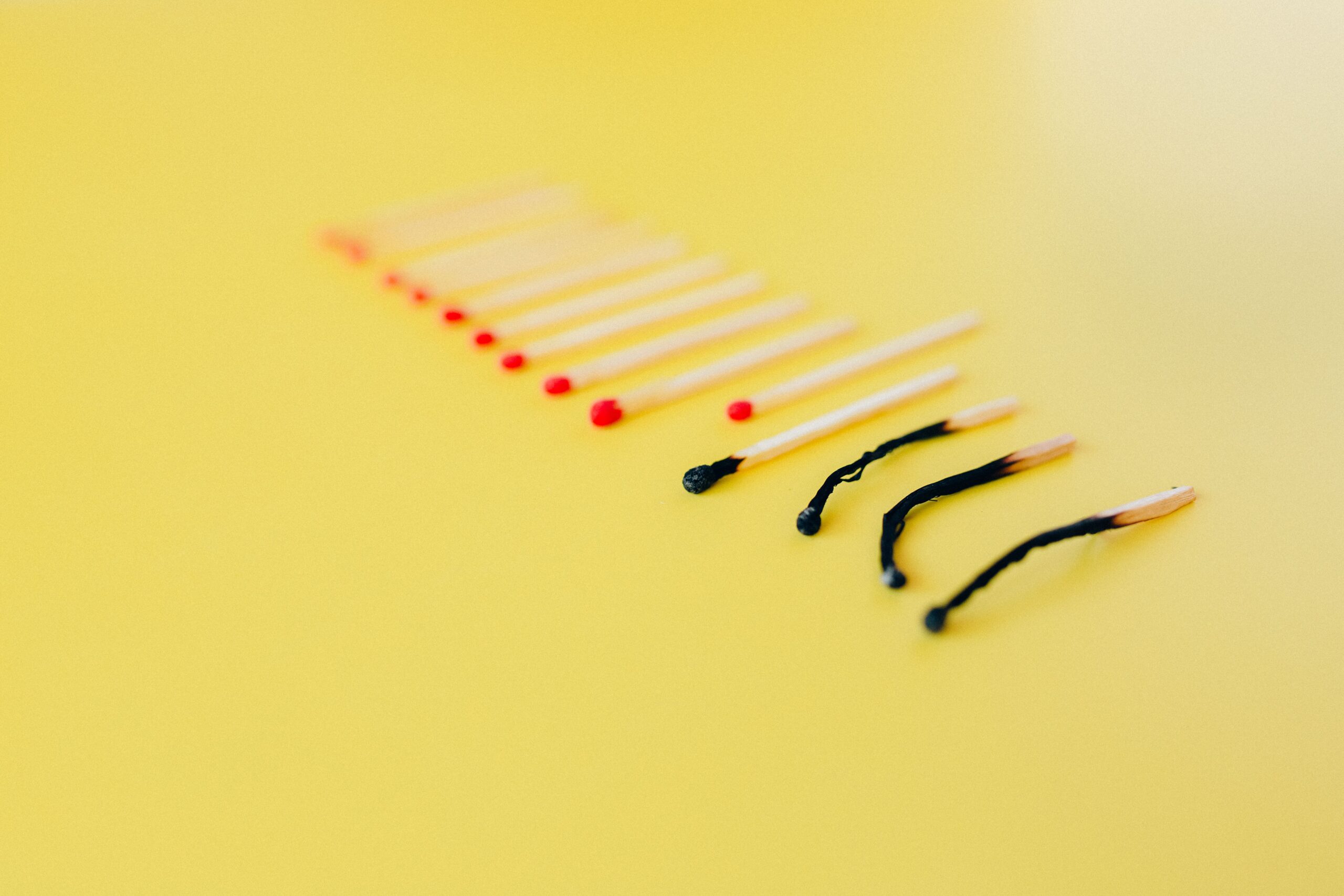
as quickly as possible. A more helpful question can be:
“What needs to change so that the way I am living feels sustainable?”
- Talk to someone who can help you make sense of it
Burnout can leave people feeling disconnected from themselves and unsure where to begin.
Counselling can provide space to explore:
- What has contributed to feeling overwhelmed
- Patterns of pressure, responsibility, or perfectionism
- The emotional impact of supporting others
- How to rebuild confidence and energy
- What a healthier and more sustainable way forward might look like